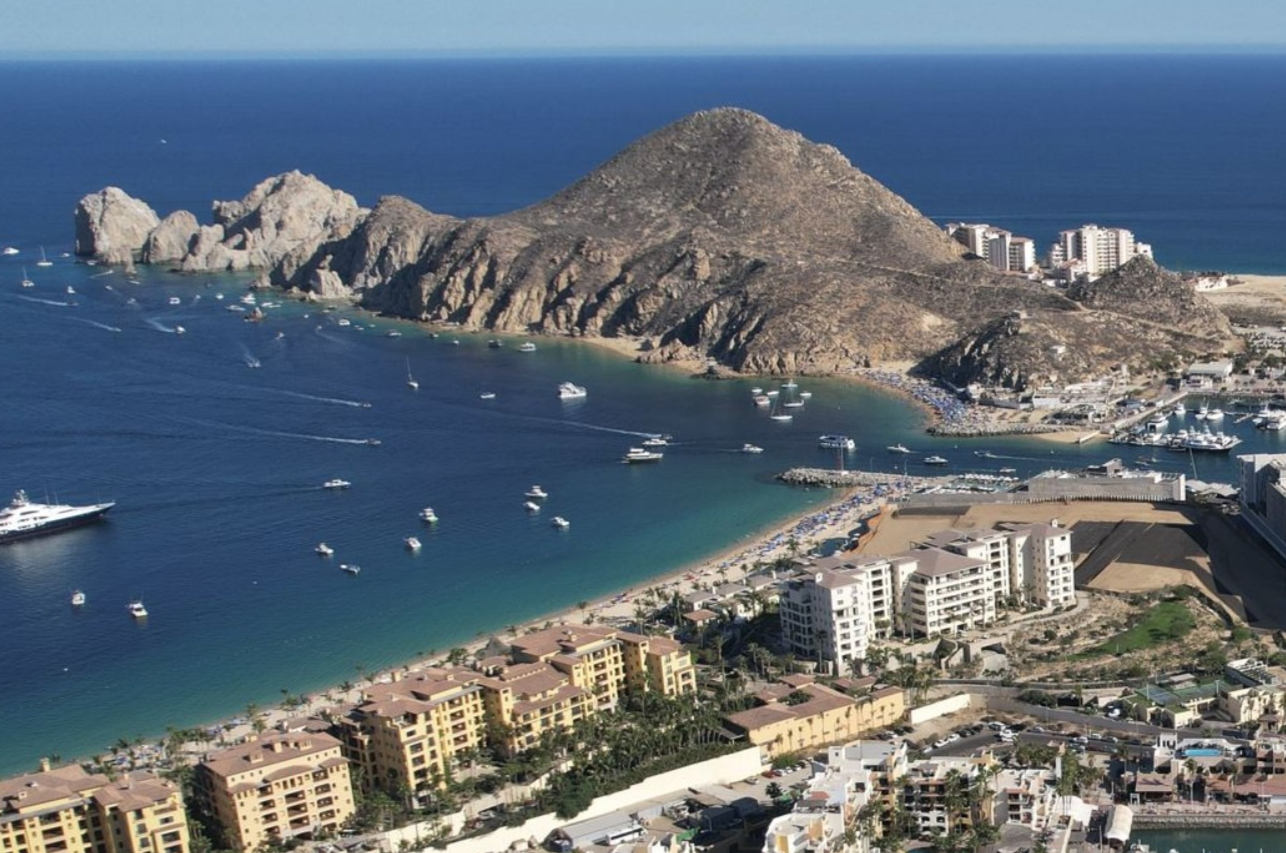

The Spanish hotel chain Iberostar has seen its expansion project in Los Cabos—one of Mexico’s most exclusive tourist destinations and a frequent retreat for American millionaires—stall due to conflicts with residents and disputes regarding public access to the beaches.
Although Mexico represents one of the most profitable markets for Spanish hotel chains, the Mallorca-based firm has been unable to unblock its development in Baja California Sur.
According to information from EL PAÍS—which details how the company continues to face social and regulatory hurdles in the region—this situation persists despite the fact that, as of 2024, it had completed various administrative procedures required to move forward with the construction of the resort complex in Cabo San José. Local opposition and objections regarding the project’s initial design have delayed the start of construction work.
Mexico has become a strategic hub for major Spanish hotel chains due to the rapid return on investment and the immense tourism market represented by both domestic visitors and the millions of travelers arriving from the United States and Canada.
Prominent groups include Riu, with 23 hotels across Mexico, and Barceló, which now totals 22 properties following new acquisitions made in 2025. Iberostar occupies a second tier within the Mexican market, with 12 hotels and approximately 5,800 employees.
Years ago, the Fluxá family-owned company made a strategic move to enter Los Cabos—an area characterized by average hotel rates reaching up to 500 euros per night and by its appeal to high-net-worth American visitors. According to data from the Los Cabos Tourism Board, more than 2.2 million of the 3.8 million tourists the destination receives annually come from the United States, and one-third of them report an annual household income exceeding $150,000.
However, Iberostar’s development has encountered community opposition stemming from concerns regarding public access to the beaches. Rodrigo Esponda, Director of the Los Cabos Tourism Board, noted that beaches in Mexico are public and that major U.S. hotel groups have recognized the need to create adequate access points to ensure harmonious coexistence between tourists and local residents.
According to Esponda, Iberostar’s original project failed to properly account for these access points; this sparked opposition among residents and will compel the company to modify its proposal.
This case reflects a pattern that has recurred in various tourism developments across Los Cabos and other regions of the country. In 2024, for instance, the expansion project for the Holiday Inn and Hotel Presidente in San José del Cabo sparked controversy due to alleged environmental and urban impacts related to the Estero Josefino estuary.
Furthermore, in tourism destinations facing intense real estate development pressure, tensions have escalated regarding land use, water access, traffic mobility, and environmental conservation.
Other Spanish hotel groups are also encountering a cautious reception in the region. Palladium has long held land reserves in Los Cabos, though it has yet to finalize any tourism projects in the Pacific zone. Nevertheless, U.S. chains continue to invest heavily in the destination. Hyatt is set to open a 300-room Grand Hyatt this year, while Marriott is preparing a St. Regis hotel, and Hilton has a Conrad property projected for 2027.
In addition to controversies surrounding permits and beach access, Los Cabos faces structural challenges stemming from rapid tourism growth—such as labor shortages, traffic congestion, and strain on potable water services. These factors have led a segment of the local population to view new hotel complexes with skepticism, even when such projects possess the necessary legal authorizations.
Although the Mexican market remains highly attractive to Spanish hotel chains, the situation in Los Cabos demonstrates that hotel sector growth no longer depends solely on capital and permits, but also on community acceptance and maintaining a balance with public infrastructure and natural resources.

Source: massinformacion