The House-to-House Health program in Baja California Sur has reached 48,000 people by creating home-based medical records; however, it faces a shortage of medical personnel.
Currently, 80 healthcare professionals are operating in the state, while the goal is to have 125 nurses and doctors to cover all areas of the state, particularly in Mulegé, Santa Rosalía, Vizcaíno, and Los Cabos.
The Welfare Delegate in Baja California Sur, Dhipna Yanssén Weichselbaum, explained in an interview that the main obstacle to completing the team is that these professionals prefer to work in traditional healthcare institutions.
“In Los Cabos, they prefer to go work in the private sector because there are many hospitals that pay them what we pay them monthly, but they pay them bi-weekly. And in the case of Vizcaíno and Santa Rosalía, they go to the public hospital,” the official explained.
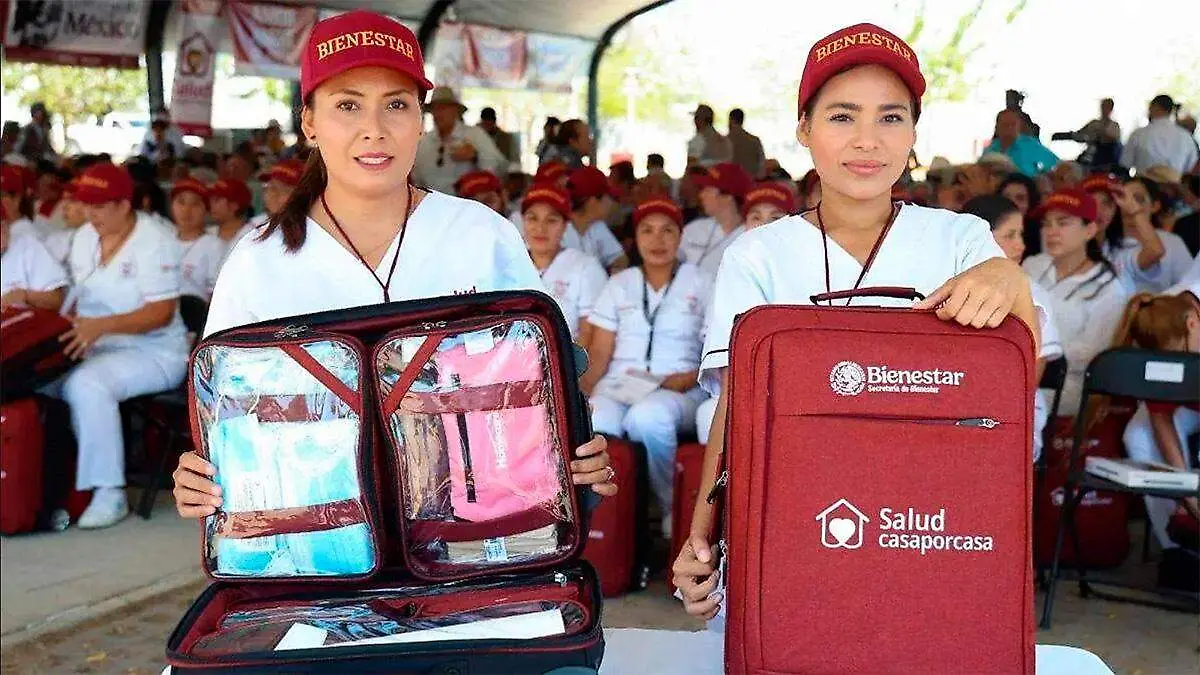
The program, which operates under the coordination of the Ministry of Welfare, breaks with the traditional paradigm of healthcare by bringing services directly to patients’ homes. The delegate specified that participating professionals must have a bachelor’s degree and work following the National Healthcare Protocols (PRONAM), which establish specific catalogs of medications they can prescribe.
Doctors have one catalog for prescribing, and nurses with bachelor’s degrees have another. Dhipna Weichselbaum, Welfare Delegate in Baja California Sur
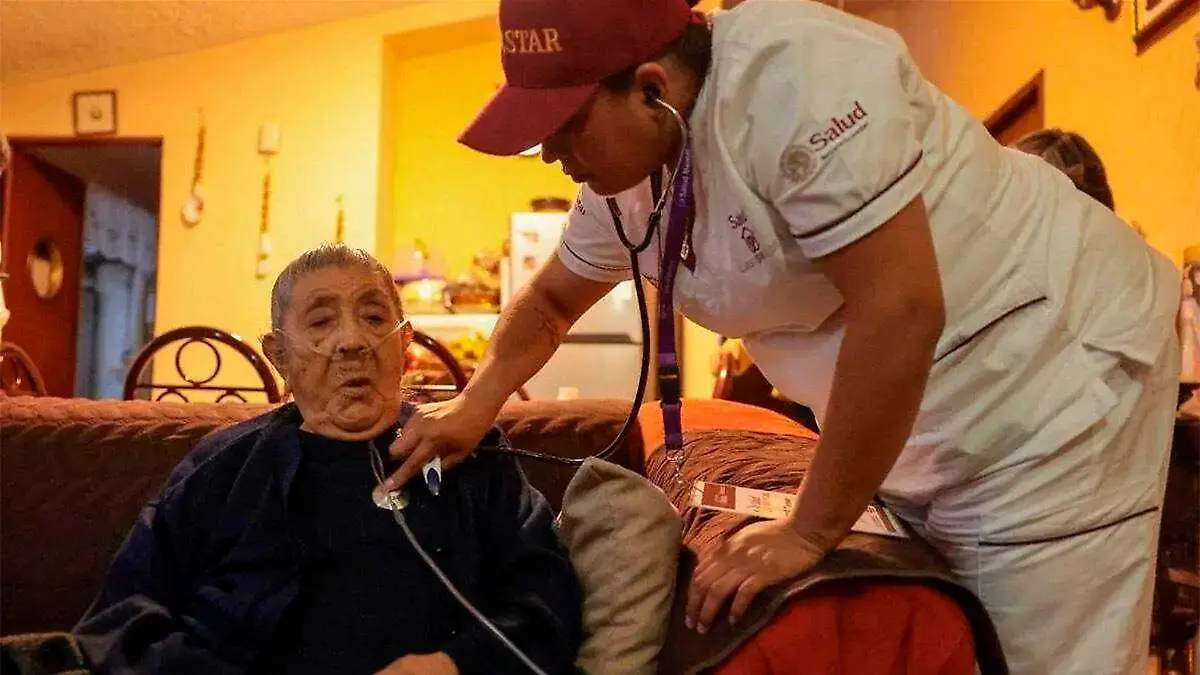
The House-to-House Health personnel conduct home visits accompanied by government workers, who identify and facilitate access to the homes. During these visits, which last no more than 40 minutes, they create a complete medical history of the patient, identify medical background, take vital signs, and determine the necessary treatment.
“Based on the progress we’ve made, we’ve already had eight million visits, and we’re told that 60% of people are taking medication and their condition is under control. But sadly, there’s 30% who don’t know they have an illness.”
The program’s current priority is the detection and control of high blood pressure, identified as the most prevalent disease in the state. Healthcare professionals not only diagnose and prescribe medication, but also refer urgent cases to secondary-level hospitals.
“We had a call from a man in Santiago with a blood pressure reading over 200, imagine that. Our colleagues, in their desperation, called the call center, and there’s a team that’s growing; soon there will be more than 100 doctors handling all those calls,” he recounted.
Inter-institutional coordination is fundamental to the program’s operation. Weichselbaum explained that working groups are held every Monday with the heads of the IMSS, ISSSTE, and IMSS Bienestar. “During the week, we had all these cases. These referrals were sent, some patients were seen, others weren’t, and we’re providing full follow-up,” she explained regarding the referral mechanism that guarantees continuity of care based on the patient’s proximity to the different health centers.
Regarding the community pharmacies that will be installed soon, the delegate explained that these will operate using a system of personalized kits. In preparation for the installation of these pharmacies, seven community stores in rural areas received 17,000 pesos in support to improve their infrastructure.
Many installed electrical wiring in order to be able to set up the pharmacies for well-being there because some places don’t have electricity. Dhipna Weichselbaum, Welfare Delegate in Baja California Sur
The program stipulates that during the second home visit, healthcare professionals will give prescriptions to patients, who can then go with any family member to pick up their medications at the community pharmacies once they are operational. This plan aims to alleviate overcrowding in hospitals and health centers, where currently 70% of patients only visit for follow-up appointments to obtain prescriptions for controlled medications.
The delegate projects that people will save time and transportation costs, especially patients with disabilities who require special vehicles for transportation.
Source: oem