Electricity generation in La Paz has once again become a central topic of public debate after the State Congress approved a resolution urging federal authorities to review and strengthen emissions controls at the Punta Prieta Thermoelectric Power Plant.
This comes after an incident on Thursday, March 19, when a visible plume of smoke was reported from the plant, generating concern among citizens and civil organizations about potential impacts on air quality.
The motion, presented on the floor by Representative Erick Iván Agúndez Cervantes, was approved by the 17th Legislature with the aim of having agencies such as the Federal Electricity Commission (CFE), the Ministry of Environment and Natural Resources (Semarnat), the Federal Attorney’s Office for Environmental Protection (Profepa), and the Ministry of Energy (Sener) reinforce environmental monitoring and mitigation measures in the municipality of La Paz.
The legislative agreement calls for the implementation of more efficient emissions control systems at power generation plants, particularly in Punta Prieta and the Baja California Sur Internal Combustion Plant. It also mandates periodic inspections to verify compliance with current environmental regulations.
Among the approved points is the request for detailed reports on pollutant emission levels, mitigation measures implemented, and the types of fuels used in electricity generation processes.
During the presentation of the agreement, the legislator pointed out that the right to a healthy environment is recognized in the Constitution, which obligates authorities to prevent environmental damage that could affect public health.
“Authorities must adopt effective measures to prevent environmental damage that impacts the population’s quality of life,” he warned.
During his remarks, the sponsoring legislator referenced air quality studies in La Paz, which indicate that energy generation using fossil fuels is one of the main sources of polluting emissions in the city.
It was emphasized that pollutants such as sulfur dioxide, nitrogen oxides, and fine particulate matter (PM2.5) are associated with adverse health effects, particularly in vulnerable groups such as children, the elderly, and those with chronic illnesses.
“Air pollution is not only an environmental problem, but also a major health challenge,” it was stressed, referring to the impacts documented by international organizations.
It was also mentioned that, although in some cases the recorded levels remain within the limits established by official Mexican standards, they can exceed international recommendations regarding air quality.
The agreement also includes a call to promote the transition to less polluting energy sources through the progressive replacement of fuel oil and the development of renewable energy projects in Baja California Sur.
In this regard, the appeal includes the need for federal authorities to design and implement long-term strategies to reduce emissions from electricity generation in a state that, due to its geographical conditions, has potential for harnessing solar and wind energy.
Finally, the State Congress proposed that these actions should be based on principles of prevention and environmental responsibility, as well as on the monitoring of programs focused on improving air quality in the state.
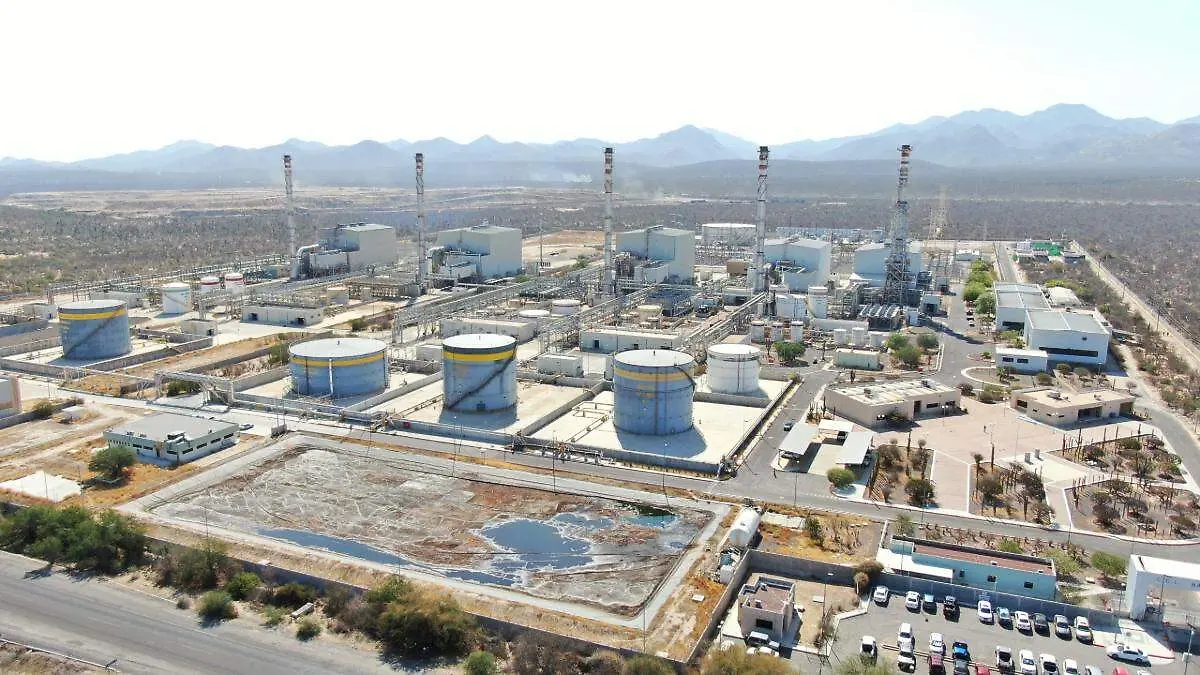
Source: oem